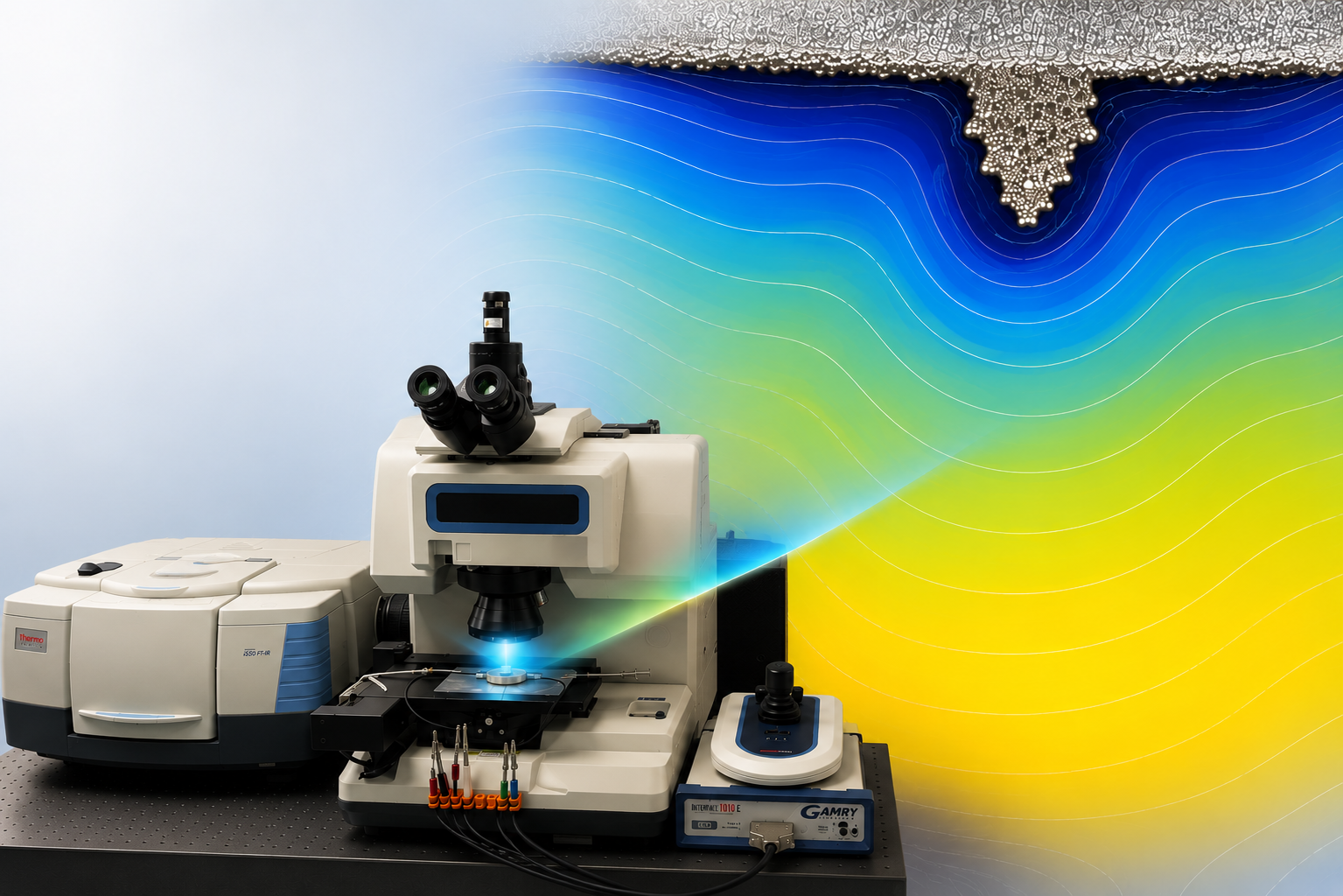
MODES Laboratory operando spectroscopy instrument with ion transport visualization

Microscopy and Optical Diagnostics for Energy Systems

Making Hidden Electrochemistry Measurable

Quantitative optical diagnostics for ion transport, chemical speciation, and electrochemical reactions.

Mission

Measurement science for processes that are hard to see.

Loading mission content...

Research Areas

Loading research areas...

View Google Scholar profile

Capabilities

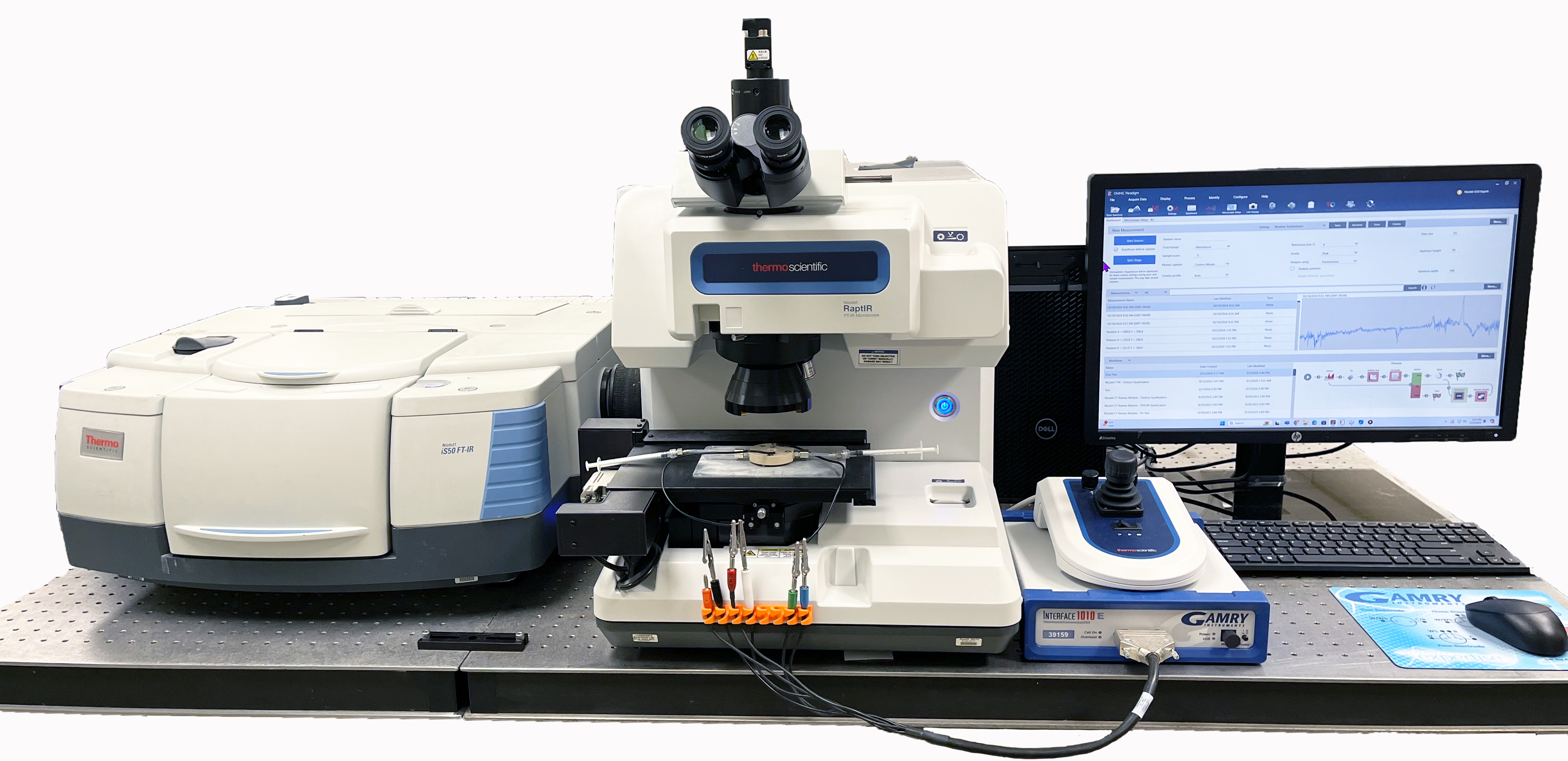
RaptIR FTIR microscope with electrochemical cell and potentiostat
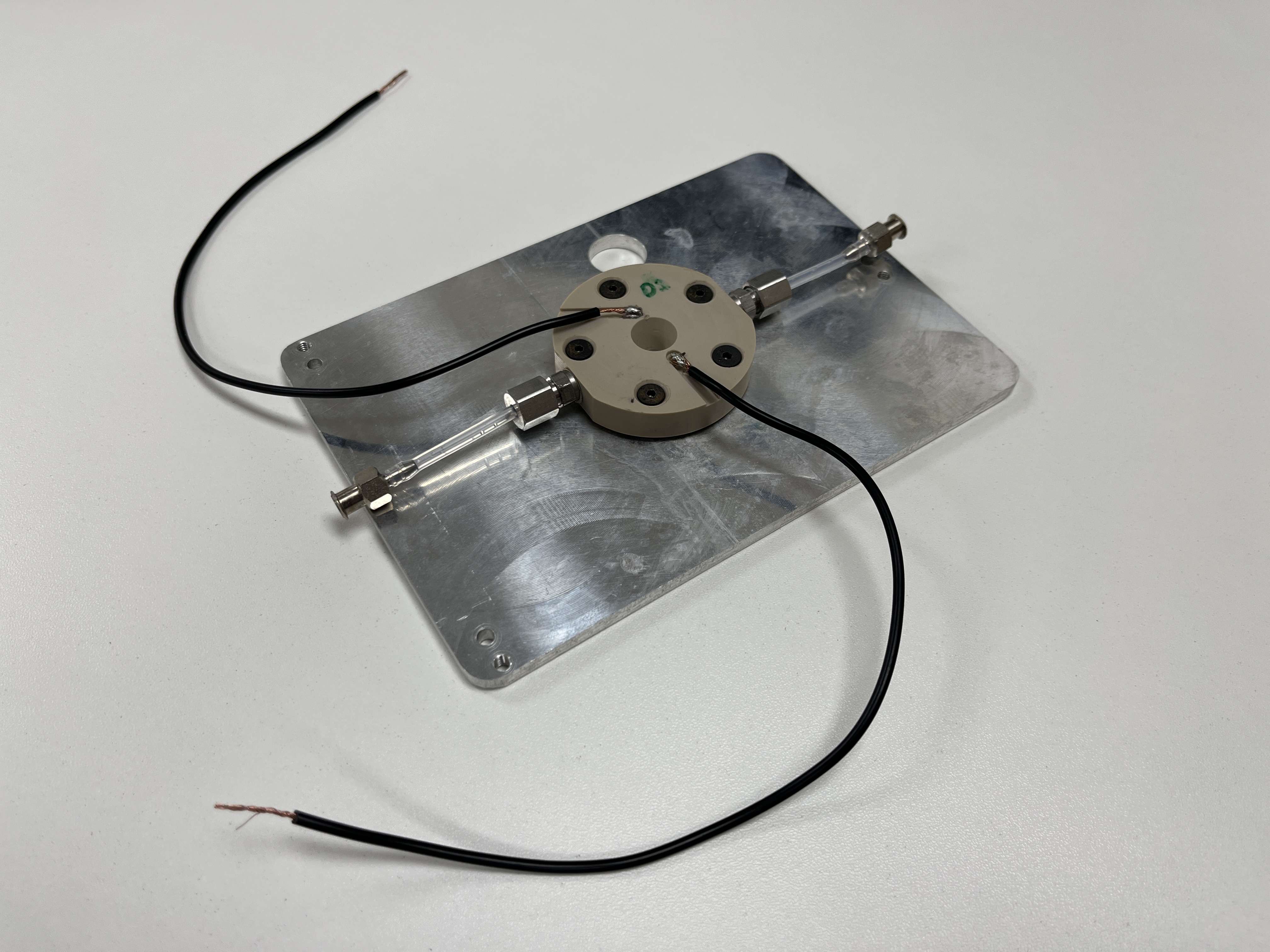
Custom assembled operando electrochemical cell
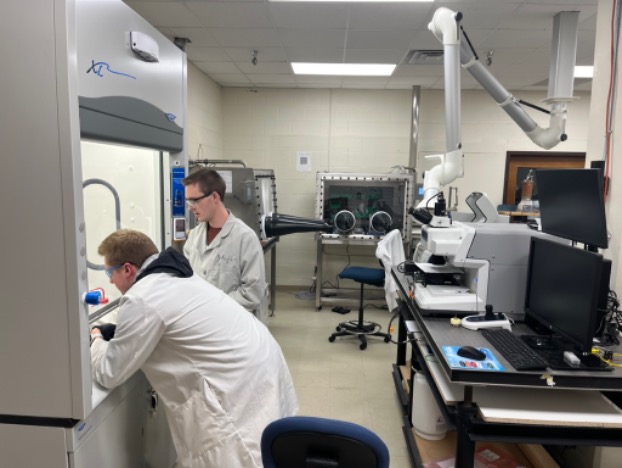
MODES laboratory with students working near gloveboxes and instruments

Operando Spectroscopy

We develop and apply quantitative optical diagnostics to measure ion transport, chemical speciation, and electrochemical reactions in real time.

Instrumentation

  • Thermo Scientific Nicolet RaptIR+ FTIR microscope (sub-10 μm imaging)
  • Nicolet iS50 FTIR spectrometer with liquid-cooled MCT detector
  • ATR-FTIR systems with temperature-controlled flow cells
  • Ocean Optics UV-Vis-NIR spectroscopy (180-900 nm)

Electrochemical Characterization

Custom experimental platforms enable synchronized optical and electrochemical measurements under realistic operating conditions.

Capabilities

  • Potentiostatic and galvanostatic testing
  • Electrochemical impedance spectroscopy (EIS)
  • Automated electrolyte flow systems
  • Custom operando electrochemical cells

Battery Materials and Cell Fabrication

Air-sensitive synthesis and cell assembly support development of advanced battery materials and electrolytes.

Capabilities

  • Two argon gloveboxes
  • Electrolyte formulation
  • Coin-cell assembly
  • Precision cutting of electrodes, separators, and gaskets

Instrument Development

The MODES laboratory designs custom instrumentation for experiments that cannot be performed using commercial equipment.

Examples

  • Operando spectroelectrochemical cells
  • Infrared imaging platforms
  • Temperature-controlled flow cells
  • Automated spectroscopy systems

People

Current Members

Loading current members...

Alumni

    Colorado School of Mines Alumni

      Join the MODES Lab

      The MODES Laboratory welcomes motivated students interested in batteries, electrochemistry, spectroscopy, instrumentation, automation, and data science. Students work closely with Dr. Porter on research that advances next-generation energy technologies.

      Graduate Students (M.S. & Ph.D.)

      Graduate students lead funded research projects, mentor undergraduate researchers, publish in peer-reviewed journals, and present their work at national and international conferences.

      Prospective students should apply through the BYU Mechanical Engineering graduate program.

      Undergraduate Research

      Most undergraduate students join the lab through ME EN 497R (Mentored Learning).

      • 3-credit technical elective
      • 10-12 hours per week
      • Available during Fall, Winter, or Spring/Summer
      • Work directly with Dr. Porter on an individual research project

      Students who perform well in 497R may be invited to continue as paid undergraduate research assistants as funding becomes available.

      How to Apply

      Email Dr. Porter with:

      • A brief description of your interests and research goals
      • Your résumé or CV (if available)
      • Your unofficial transcript (undergraduate applicants)